Home / Our services / Root canal retreatment
Root canal retreatment
Root canal retreatment in Brisbane
A previously treated tooth can become painful, infected or fail to heal. That does not automatically mean it must be removed. We find out why, and whether it can still be preserved.
How it works
What root canal retreatment involves
Our focus is not simply to repeat the previous treatment. It is to understand why the tooth is causing problems and whether it can reasonably be preserved.
What happens
The tooth is reopened and the root canal system examined, then any remaining infection or problem is treated.
Steps include
- Reopening the tooth
- Removing old filling material
- Cleaning, treating and resealing
Specialist technology
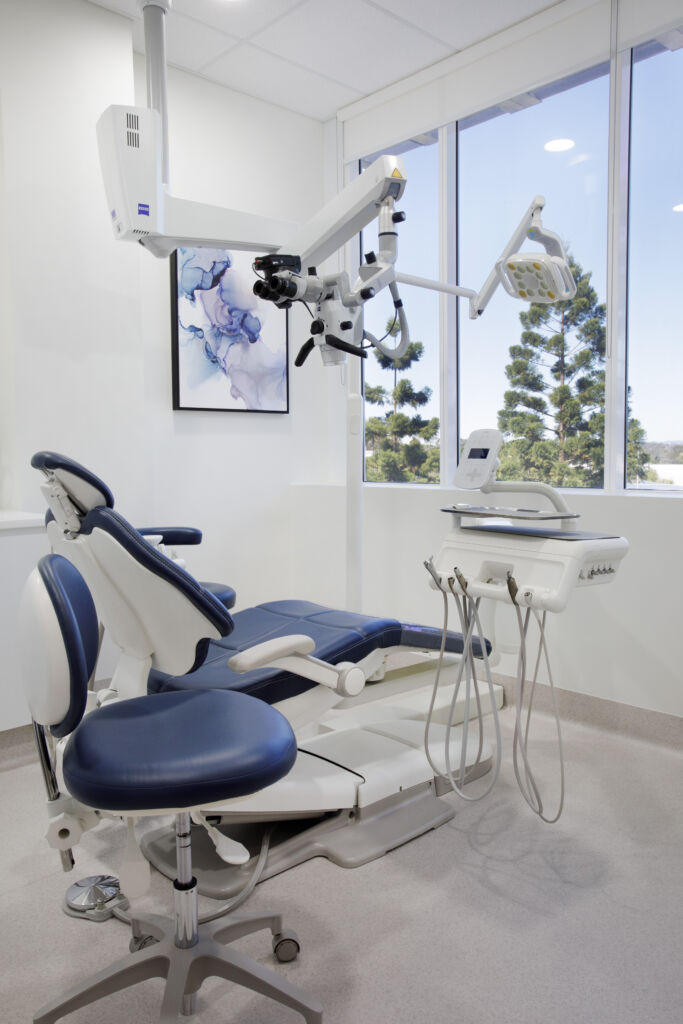
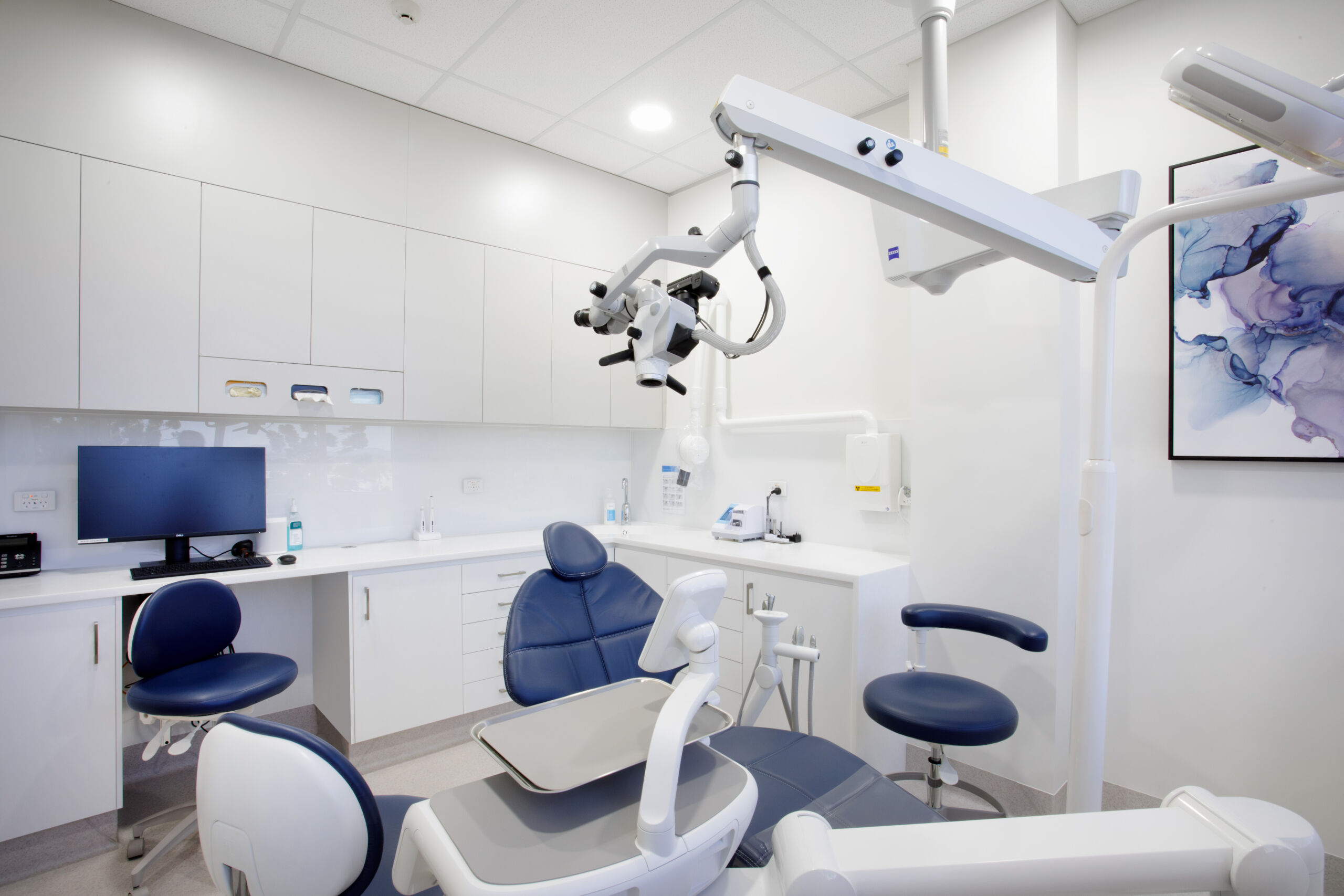
These tools help us investigate areas that may otherwise be difficult to see or reach.
May include
- Dental operating microscopes
- Digital imaging and 3D scanning
- Specialist endodontic instruments
Can it save my tooth?
In suitable cases, yes. A tooth should not be retreated just because symptoms returned. The cause comes first.
We consider
- Remaining structure and fractures
- Gum support and restorations
- Whether it can be restored
Your crown or filling
Retreatment usually goes through an existing restoration. We discuss the likely approach beforehand.
It may need to be
- Accessed through
- Repaired
- Replaced
Good to know
What if the tooth cannot be retreated?
Not every previously treated tooth can be preserved. Retreatment may not be appropriate where there is:
✓
Severe structural damage or certain fractures
✓
Not enough remaining tooth structure
✓
Significant periodontal (gum) disease
✓
Poor restorability or other factors affecting prognosis
We will explain the findings either way. myEndodontist does not provide dental implants. If extraction or replacement is needed, you return to your dentist or another clinician for planning.
Talk to us about your concerns →Afterwards
What should I expect after retreatment?
Some tenderness may occur while the tissues settle. Call us if discomfort does not settle as expected. Follow-up may include:
✓
Monitoring symptoms and a clinical review
✓
Dental imaging to assess healing
✓
Returning to your dentist for the final restoration
✓
Instructions based on your individual treatment

Retreatment questions
Questions patients often ask
Short answers to what patients ask most about root canal retreatment. Call us if your question is not here.
Why does my old root canal hurt again?
Pain can return because of persistent infection, untreated canal anatomy, new decay, contamination, a damaged restoration, a crack or another structural problem. An assessment is needed to find the cause.
Does a failed root canal mean the tooth must be extracted?
Not necessarily. Some teeth may suit root canal retreatment or endodontic surgery, depending on the cause and the tooth's overall condition.
Is retreatment the same as having another root canal?
It follows similar principles but is usually more complex. Existing root filling material must be removed before the canals can be reassessed, cleaned and treated again.
How long does root canal retreatment take?
It depends on the tooth, the previous treatment and the condition being managed. Your endodontist will explain the expected process after your assessment.





Old root canal causing problems? Get a specialist opinion
Pain, swelling or infection around a treated tooth does not automatically mean it must come out. An assessment shows whether retreatment, endodontic surgery or another pathway is appropriate.